
Smartphone

Samsung Ecosystem vs Xiaomi Ecosystem: Which Suits Malaysians Better?

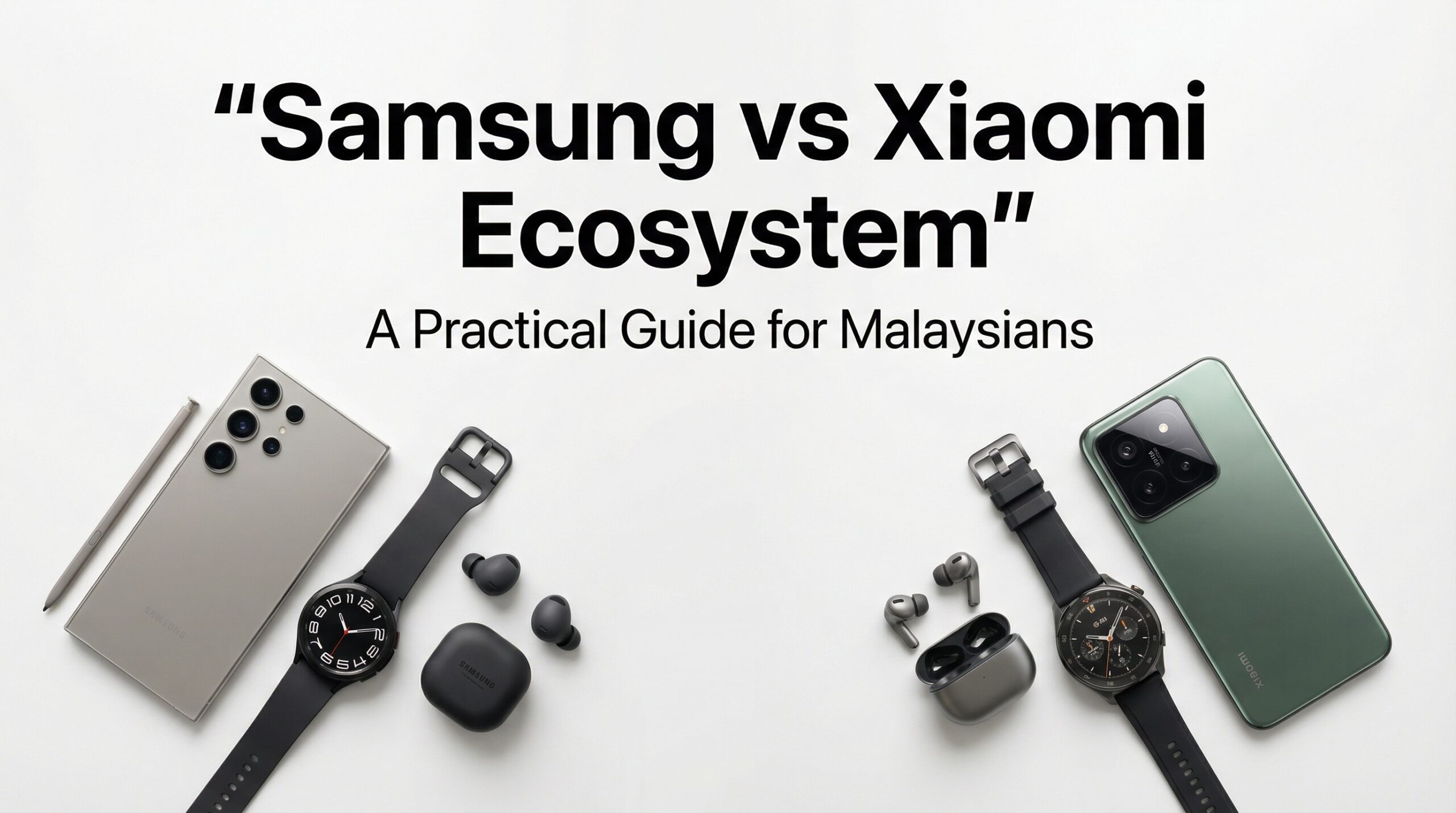
samsung ecosystem

When Malaysians buy a smartphone today, they are no longer choosing just a phone. They are buying into an ecosystem — how the phone works with wearables, tablets, TVs, laptops, chargers, apps, firmware, and even service centers.

This is why the samsung ecosystem and the Xiaomi ecosystem now dominate the Android world. Both promise seamless connectivity, strong mobile user experience, fast charging, and future-proofing. But they approach it in very different ways.

So which one truly fits the Malaysian lifestyle better?

Let’s break it down.

Firmware Comparison: Samsung vs Xiaomi

Firmware, Android Updates & Long-Term Stability

Firmware is the foundation of how your phone behaves. It controls performance, security, battery efficiency, and how smoothly apps run. When choosing between Samsung and Xiaomi ecosystems in Malaysia, understanding their approach to updates is crucial for long-term satisfaction.

Samsung Update Policy

Samsung has become the undisputed leader in Android update support. Most Galaxy A, S and Z series phones receive:

  • Up to 4 major Android OS updates
  • Up to 5 years of security patches

This means a phone bought today can still run the Android OS latest version years later — a huge win for future proofing.

Samsung's update policy is publicly documented on their Android update commitment page.

!

Xiaomi Update Approach

Xiaomi offers aggressive specs for the price, but its firmware support is inconsistent across different models:

  • Some premium models get 5 years of Android version upgrades
  • Mid-range devices average 4 Android version upgrades
  • Security patch frequency varies even within the same price range

This inconsistency means you need to research each specific model to understand what update support to expect.

Update Consistency Comparison

Samsung's advantage: Clear, consistent update policy across most devices in their lineup. You know exactly what you're getting regardless of whether you buy a flagship or mid-range device.

Xiaomi's challenge: Update support depends heavily on the specific model and sometimes even regional variations. Higher-end models generally receive better support than budget devices.

Conclusion for Malaysians: Samsung's documented update policy and long-term support give its ecosystem a major advantage for long-term reliability. If you plan to keep your device for several years, want consistent security updates, and value future-proofing, Samsung's approach is more reassuring. Xiaomi may offer better hardware specs for the price, but Samsung wins in the firmware and update department.

User Experience: Samsung One UI vs Xiaomi HyperOS

User Experience: One UI vs Xiaomi HyperOS

The user interface can make or break your daily smartphone experience. Samsung's One UI and Xiaomi's HyperOS take fundamentally different approaches to how users interact with their devices, with significant implications for Malaysian users.
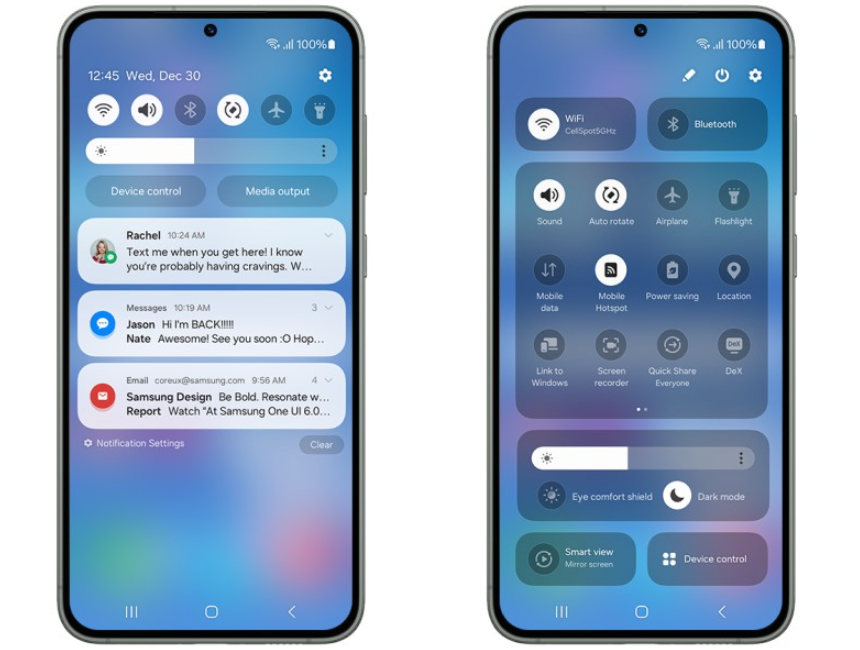
Samsung One UI 6 Interface

Samsung One UI: Designed for Humans

Samsung's One UI is built around UX design principles focused on one-hand use, clarity, and accessibility. Features like:

  • One-hand mode for easier operation with thumb
  • Large touch targets reducing input errors
  • Clean system navigation with intuitive gestures

Deep customization without chaos makes it extremely friendly for Malaysian users who juggle phones while commuting, driving, or working. The consistent design language across apps creates a seamless experience that doesn't require constant re-learning.
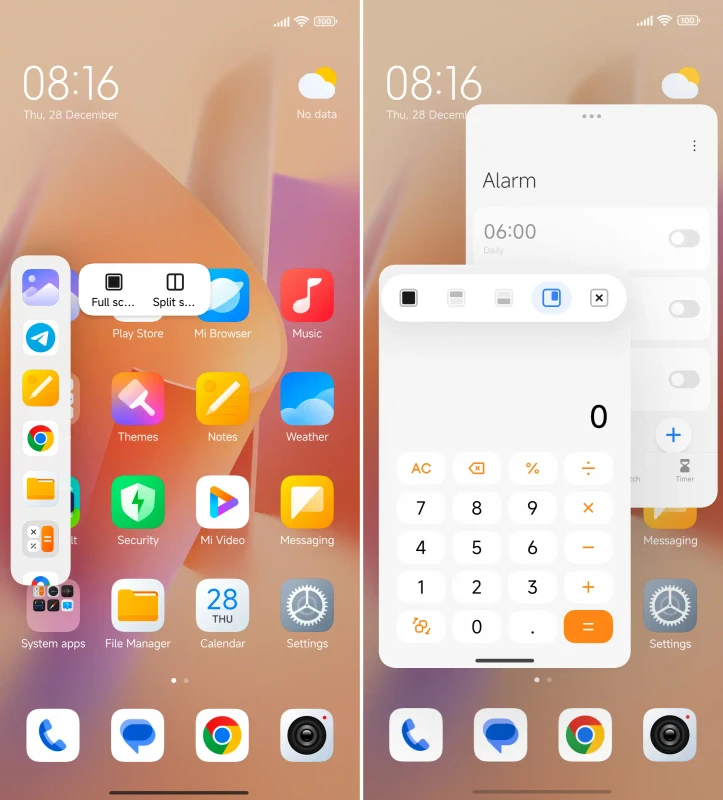
Xiaomi HyperOS Interface

Xiaomi HyperOS: Powerful but Cluttered

Xiaomi's HyperOS (formerly MIUI) is feature-rich but often criticized for being cluttered. It pushes:

  • System ads within system apps and settings
  • App duplication with both Xiaomi and Google versions
  • Inconsistent UI behavior across different apps

For power users who enjoy tweaking every setting, this may be acceptable, but for the average Malaysian user, it creates friction and confusion. The learning curve is steeper, and the constant presence of ads in a premium device can be frustrating.

Why This Matters for Malaysian Users

Samsung's One UI is consistently rated higher for mobile user experience by reviewers. Its focus on ergonomics is particularly valuable for Malaysia's diverse user base - from young professionals to older users.
HyperOS offers more customization options but at the cost of simplicity. This trade-off favors tech enthusiasts over general consumers who prefer devices that "just work."
For evidence, see the detailed comparison in the One UI 7 vs HyperOS 2 Animations Comparison - Which One is Smoother? review that highlights the fluidity advantages of Samsung's approach.
Smart Home: Samsung SmartThings vs Xiaomi

SmartThings vs Xiaomi Smart Home

Smart home platforms are becoming a core part of Malaysian households. Both Samsung and Xiaomi offer wide device ecosystems, but their design philosophy, cloud architecture, and long-term reliability are very different.

Samsung SmartThingsXiaomi Smart Home
  • Galaxy phones, tablets, TVs, and wearables
  • Samsung home appliances (washers, ACs, fridges)
  • Third-party brands via Matter, Zigbee & Wi-Fi
  • Google Home and Play Store integration
  • Extremely large smart device catalogue
  • Very affordable sensors, plugs & cameras
  • ! Device features depend on cloud region selected
  • ! Some older devices may need different Mi / Xiaomi apps
Integration Model:
All devices are linked through one Samsung Account and SmartThings cloud. Phones, TVs and appliances stay connected when you upgrade devices.
Integration Model:
Xiaomi devices connect through the Xiaomi Home (Mi Home) cloud. Full functionality depends on choosing the correct regional server for your devices.
Ecosystem Design:
SmartThings follows international standards such as Matter, Zigbee and Google Home, making it easier to mix brands inside one system.
Ecosystem Design:
Xiaomi’s ecosystem is powerful but more closed — best experience happens when users stay fully within Xiaomi-branded devices.

What This Means for Malaysian Smart Home Users

Reliability: Samsung SmartThings uses globally distributed cloud infrastructure and international standards, which helps ensure stable performance and long-term compatibility.

Ease of Use: One SmartThings app manages phones, TVs and home appliances, while Xiaomi users may need to manage cloud regions or multiple apps for older devices.

Future-Proofing: SmartThings’ support for Matter and Google Home means your smart home is more likely to remain compatible even when you change phones or brands.

Chipsets: Samsung vs Xiaomi Processor Management

Chipsets: MediaTek, Snapdragon & Exynos — Who Handles Them Better?

Both Xiaomi and Samsung use a mix of Snapdragon, MediaTek, and (for Samsung) Exynos chipsets. On paper, this looks similar — but in practice, it creates very different user experiences that affect everything from camera quality to long-term performance stability.
Xiaomi Logo
Xiaomi's Chipset Strategy: Regional Variations
+

Xiaomi frequently releases the same phone model with different chipsets depending on region and price tier. A Redmi or Xiaomi phone might use Snapdragon in one market and MediaTek in another, which leads to inconsistent user experiences.

Snapdragon
Used in premium models and certain regions
MediaTek
Common in budget and mid-range variants

The Inconsistency Problem:

  • Different camera processing - The same camera hardware produces different results depending on the chipset used
  • Different gaming stability - Performance and thermal management vary between chipset versions
  • Different modem performance - Network connectivity and speed can differ significantly
  • Sometimes different update timing - Software updates may arrive at different times for different chipset variants

Result: This creates inconsistency inside the Xiaomi ecosystem. Two people buying the "same" model in different regions may get completely different experiences in terms of performance, camera quality, and software updates.
Samsung Logo
Samsung's Chipset Strategy: Unified Optimization
+

Samsung also uses multiple chipsets — Snapdragon, Exynos, and even MediaTek on some A-series models — but all of them run on the same tightly controlled One UI firmware stack. This unified approach ensures consistent user experiences regardless of the underlying processor.

Snapdragon
Used in North America and some Asian markets
Exynos
Samsung's own chipsets for international markets
MediaTek
Some budget A-series models

The Consistency Advantage:

  • Camera quality remains consistent - Image processing is standardized across all chipsets
  • System features behave the same - One UI features work identically regardless of processor
  • Android updates arrive at the same time - All variants receive updates simultaneously
  • Long-term performance is more predictable - Battery life and thermal management are optimized uniformly

Result: This unified optimization is why devices inside the Samsung ecosystem feel more stable over time, regardless of which processor they use. Users get a predictable, high-quality experience no matter which market they're in.

Why This Matters for Malaysian Smartphone Buyers

For Malaysian consumers, Samsung's approach to chipset management offers several practical advantages:

  • Consistent Camera Experience: Whether you get a Snapdragon or Exynos variant in Malaysia, you'll get the same excellent camera performance that Samsung is known for.
  • Reliable Software Updates: You won't be left waiting for updates because your device has a different chipset variant.
  • Predictable Performance: Samsung's tight integration between hardware and software ensures that all chipset variants deliver similar day-to-day performance and battery life.
  • Better Long-Term Value: With more consistent performance and updates, Samsung devices tend to maintain their usability and resale value better over time.

This unified optimization approach makes the Samsung ecosystem more reliable for Malaysians who want a consistent, high-quality smartphone experience that doesn't depend on which chipset variant they happen to receive.

Final Verdict: Samsung vs Xiaomi for Malaysians

Final Verdict: Which Fits Malaysians Better?

After comparing firmware, user experience, smart home integration, charging accessories, and chipset management, we reach the ultimate question: which ecosystem truly serves Malaysian users best in the long run?

The Clear Choice for Different Needs

Budget Choice Icon
$

If you want the cheapest specs today → Xiaomi

Choose Xiaomi if your primary consideration is getting the most hardware specifications for your money right now, and you're willing to accept potential trade-offs in long-term software support and ecosystem consistency.

Premium Experience Icon

If you want the best long-term experience → Samsung

Choose Samsung if you value consistent performance, reliable updates, seamless ecosystem integration, and a device that will serve you well for years to come, even if it means a slightly higher initial investment.

Why Samsung Wins for Most Malaysians

For most Malaysians who rely on their phone for work, family, content creation, banking, and daily life, the Samsung ecosystem offers comprehensive advantages:

Better firmware - One UI provides consistent, user-friendly experience across all devices
Better updates - Guaranteed Android version updates and 5 years of security patches
Better accessories - Universal compatibility and wide availability in Malaysia
Better service - Extensive service network across Malaysia with official support
Better resale value - Samsung devices retain value better in the Malaysian market
Better ecosystem integration - Seamless connection with TVs, wearables, and home devices

That makes Samsung the smarter choice for the Malaysian lifestyle.

When you consider the total cost of ownership—not just the initial price tag—Samsung's ecosystem delivers better value, reliability, and user experience for the way Malaysians actually use their devices every day.

Find Your Perfect Samsung Device

Click to explore Samsung devices available in Malaysia

Leave a Reply

Your email address will not be published. Required fields are marked *